








Designing a Multigenerational Workplace for the Future
Walk into any modern workplace, and you’ll find five generations sharing the same space, the same Wi-Fi, and very different ideas about what a “good day at work” looks like. Some still prefer face-to-face meetings, while others want everything online. Some crave quiet zones, while others thrive in a buzz of activity. The multigenerational workplace has never been more diverse or more complex to design.
Technology Has Changed the Way We See Work
As Dr Paul Redmond, leading speaker on Generation X Y Z, said in his talk at Mitie, “The Three Drivers of Generational Change,” we live in the AI Age, a time when technology shapes how we think, focus and connect. For younger generations, it’s second nature. They’ve grown up with information at their fingertips, working faster, multitasking, and expecting technology to just work. Older generations see it differently, as a tool, not an extension of themselves.
This contrast is most visible in the multigenerational workplace, where technology can unite and divide. Younger teams expect fluidity, moving from desk to meeting room to breakout area without friction. They want plug-and-play setups, adaptable screens, and tech that keeps up. Meanwhile, more experienced professionals value environments that support concentration and depth of thought. The right workplace design doesn’t pick sides; it creates harmony between the two.

Attention is the New Luxury
We check our phones thousands of times a day. Notifications, pings and screens compete for every second of focus. Dr Redmond highlighted that the average office worker can only concentrate for about three minutes before being distracted. It’s no wonder creativity feels harder to reach.
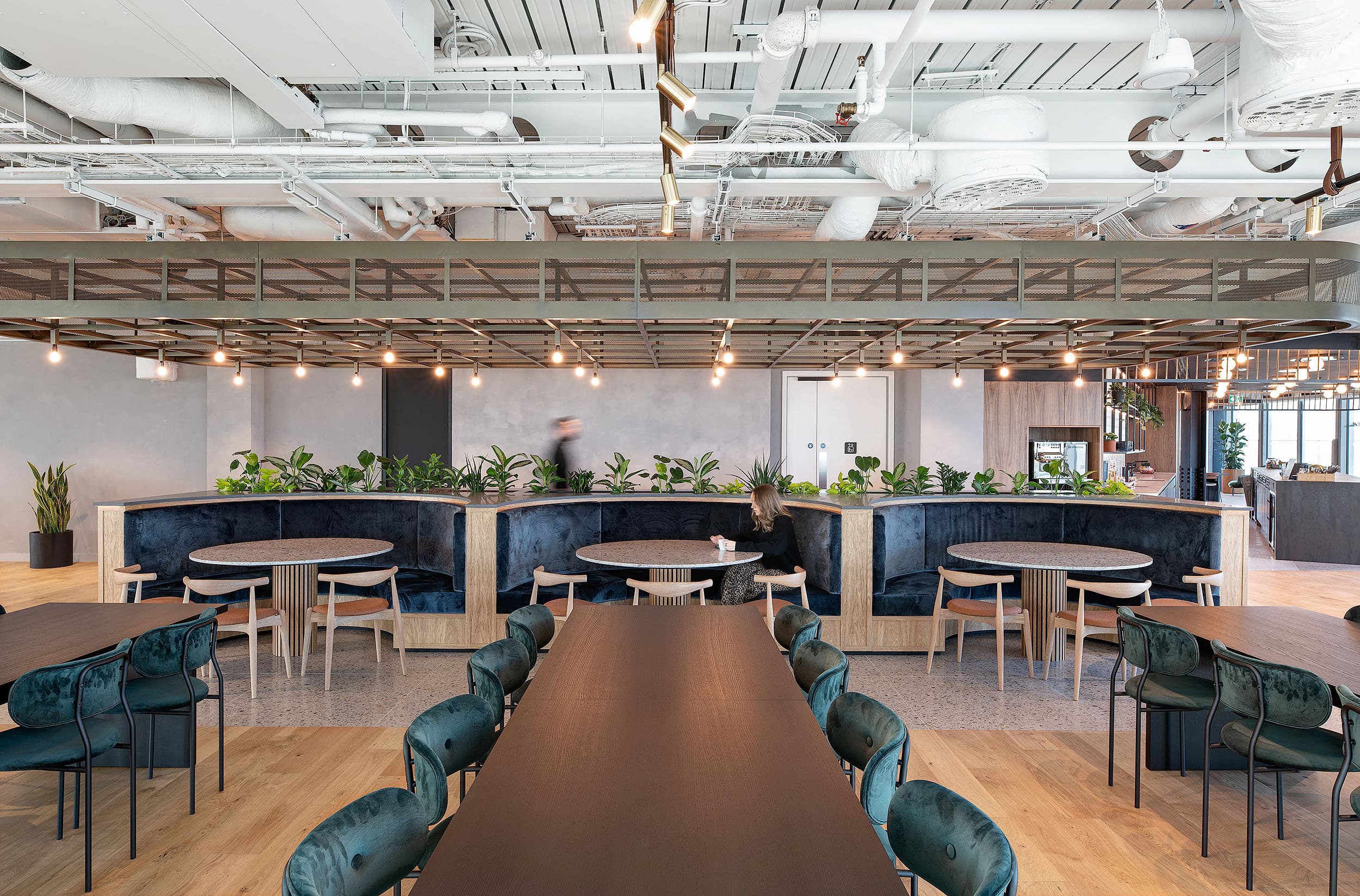
Design has a big role to play in reclaiming attention in a multigenerational workplace. Spaces that encourage people to pause, think and be present, whether through acoustic comfort, soft lighting, or a view of nature, are essential. Design becomes the equaliser, helping everyone find balance, regardless of age or working style.
The Purpose Gap
Every generation comes to work with different motivations. For some, purpose and social impact drive engagement. For others, it’s about stability, respect, and the satisfaction of doing great work. Good design can make those values visible, translating culture into something you can see, touch and feel. Whether through art, layout, or the use of space, the workplace becomes a physical reflection of what matters most to the people inside it.
Younger generations often want their workplace to communicate sustainability, equality, or belonging. Older generations, meanwhile, appreciate spaces that communicate reliability and respect. When design bridges those expectations, culture becomes something shared rather than assumed.

Wellbeing Connects Us All
Generations may see the world differently, but wellbeing is universal. Everyone needs light, air, movement, and a sense of safety to do their best work. Ann Marie Guilar, Senior VP at The International WELL Building Institute (IWBI), points out that healthy design isn’t a luxury, it’s a performance tool. The cost of a healthy building may be less than 1% of the overall project, but the return in productivity and engagement is exponential.
Designing for wellbeing means thinking beyond ergonomics. It’s about creating moments of calm, access to nature, and spaces that encourage people to pause, whether they’re twenty-five or sixty-five. The healthiest multigeneration workplaces are those that balance comfort with challenge, making people feel supported and inspired at the same time.
Designing for Difference, Not Division
Generational difference isn’t a problem to solve. It’s an opportunity. Each group brings its own rhythm to the multigenerational workplace, from the mentorship and resilience of older generations to the inclusivity and adaptability of younger ones.
What matters is creating environments where those differences become strengths. Inclusive design is part of that. Our Creative Designer, Vidhi Sharma, pointed out during a recent panel by Mitie, “Cracking the Productivity Equation: People, Place & Purpose”, that too many companies still treat inclusivity as a checklist. Real inclusion is layered, it’s about designing spaces that reflect how different people think, move and work.
It’s a mindset shift: from designing for people to designing with them.
Building Connection Across Generations in the Multigenerational Workplace
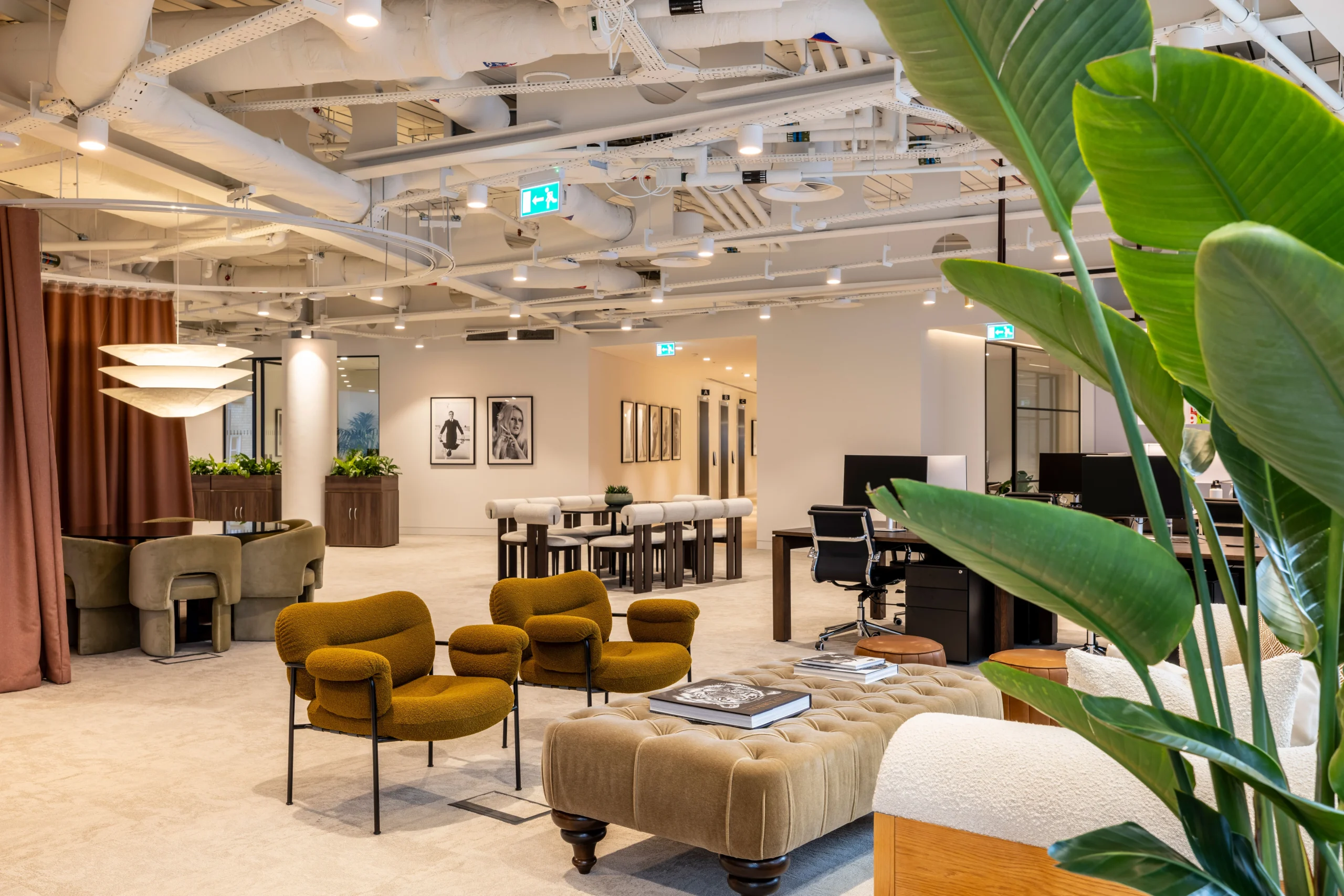
The best multigenerational workplaces are those that build bridges, not silos. Think layouts that engineer proximity, mixing teams and age groups so that mentorship happens naturally. Social spaces that invite chance encounters. Project areas that encourage collaboration without hierarchy.
Because while the tools and attitudes may differ, everyone still wants the same thing from work: connection, purpose and a sense of belonging. Design just happens to be the most powerful way to make that happen.